Amazonian Mushroom, Tracing the Origins and Mysteries
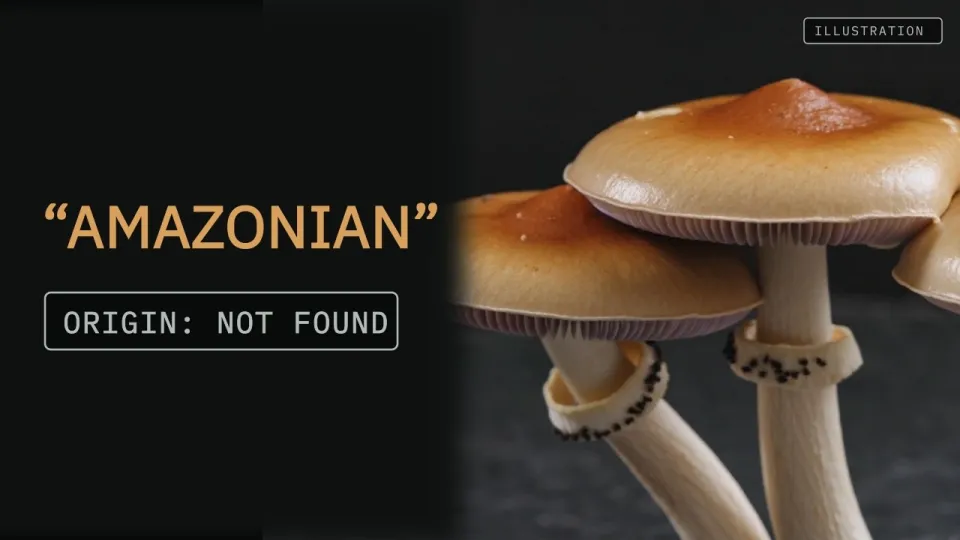
Video: Amazonian Mushroom: Following the Paper Trail Behind the Name
· based on the channel Shroomverse
The Amazonian mushroom is a term used to describe certain psychoactive fungi species native to the Amazon rainforest, most notably within the genus Psilocybe. These mushrooms have been historically associated with indigenous rituals and have gained scientific interest due to their unique chemical compounds and ecological niche. The phrase "Amazonian mushroom" specifically points to a complex taxonomy and a trail of scientific papers that have shaped our understanding of these fungi.
Historical Origins of the Amazonian Mushroom Name
The name "Amazonian mushroom" traces back to early mycological collections and descriptions from the Amazon basin. Initial specimens were collected during botanical expeditions and described in scientific literature, often under varying species names. For example, the species Psilocybe amazonica was introduced based on certain morphological traits observed in mushrooms collected from this region. However, due to limited access and morphological variability, many specimens were misidentified or synonymized with other Psilocybe species.
Taxonomy and Identification Challenges
The taxonomy of Amazonian mushrooms is complicated by overlapping features among species and frequent mislabeling in both scientific and recreational contexts. Morphological characteristics such as cap shape, spore size, and coloration vary with environmental factors, making identification by appearance alone unreliable. Advances in molecular techniques, including DNA sequencing, have helped clarify these ambiguities by comparing genetic markers. This has led to the reclassification of several specimens and a better understanding of species boundaries within the Amazonian Psilocybe group 12:45.
Ecological and Cultural Significance
Amazonian mushrooms grow in the humid, tropical environment of the Amazon rainforest, often found on decaying wood or leaf litter. Their psychoactive properties have been used traditionally by indigenous communities for ceremonial purposes, spiritual journeys, and healing rituals. Such ethnomycological knowledge has been documented in anthropological studies, highlighting the importance of these mushrooms beyond their taxonomy 05:30.
Scientific Research and Paper Trail
The scientific paper trail behind the Amazonian mushroom includes a progression of mycological studies, herbarium specimen analyses, and ethnobotanical reports. Early papers described new species with limited samples, often leading to confusion. Later molecular studies provided clarity, validating some species names and synonymizing others. The Shroomverse channel's investigation into these papers reveals how the name "Amazonian mushroom" has been shaped by decades of research and misinterpretations 20:10.
Conservation and Future Perspectives
Due to deforestation and environmental changes in the Amazon, the habitat of these mushrooms faces threats that could impact their populations. Conservation efforts are essential to preserve both the fungi and the indigenous knowledge tied to them. Future research is likely to focus on genetic diversity, ecological roles, and potential medicinal applications of Amazonian mushrooms, building on the existing scientific foundation.
Conclusion
The Amazonian mushroom represents a fascinating intersection of taxonomy, culture, and ecology. The name itself is rooted in a complex history of scientific discovery and indigenous use. Through molecular research and ethnomycological documentation, a clearer picture of these species is emerging. The Shroomverse channel provides a valuable synthesis of this information, tracing the paper trail that has defined the Amazonian mushroom's identity and significance 22:05.
Key takeaways
- Amazonian mushroom often refers to specific Psilocybe species found in the Amazon rainforest.
- The name's origin is linked to early scientific descriptions and herbarium specimens.
- Taxonomic confusion has led to multiple names and misidentifications over time.
- Ethnomycological studies reveal its traditional use among Amazonian indigenous peoples.
- Recent research clarifies species boundaries using molecular methods.
Questions & answers
What species does the term "Amazonian mushroom" refer to?
It generally refers to Psilocybe species native to the Amazon rainforest, especially those with psychoactive properties like Psilocybe amazonica.
Why is the taxonomy of Amazonian mushrooms confusing?
Because of morphological similarities, environmental variability, and historical misidentifications, the taxonomy is complex and has required molecular studies for clarification.
How have indigenous peoples used Amazonian mushrooms?
They have traditionally used these mushrooms in spiritual and healing ceremonies, valuing their psychoactive effects within cultural rituals.
What threats do Amazonian mushrooms face today?
Deforestation and environmental degradation in the Amazon threaten their habitat, making conservation efforts important for their survival and cultural significance.
Source: Amazonian Mushroom: Following the Paper Trail Behind the Name · Markdown version